Overgrowth Managed Before It Blocks Access
Brush Cutting and Vegetation Control in Charleston for residential lots, farm perimeters, and rural acreage requiring ongoing maintenance
The Lowcountry's extended growing season pushes brush, vines, and undergrowth across fence lines, access roads, and property edges faster than most landowners anticipate. Shepard Woods manages vegetation control across Charleston, Dorchester, Berkeley, Williamsburg, Georgetown, and Colleton counties for residential, commercial, rural, farm, and hunting properties where recurring growth reduces usability and visibility. This work differs from heavy clearing or mulching by focusing on maintaining areas that have been cleared before or controlling growth before it requires excavation equipment.
Brush cutting removes low vegetation, saplings, and woody growth using equipment matched to the density and height of the material. On properties where access must stay open or where edges need definition, regular cutting prevents invasive species and native growth from reclaiming cleared ground. The service addresses vegetation management rather than site preparation, keeping functional areas usable without the cost and disruption of repeat clearing projects.
Request a property evaluation to review current vegetation and establish a maintenance schedule.
What Changes After Vegetation Is Controlled
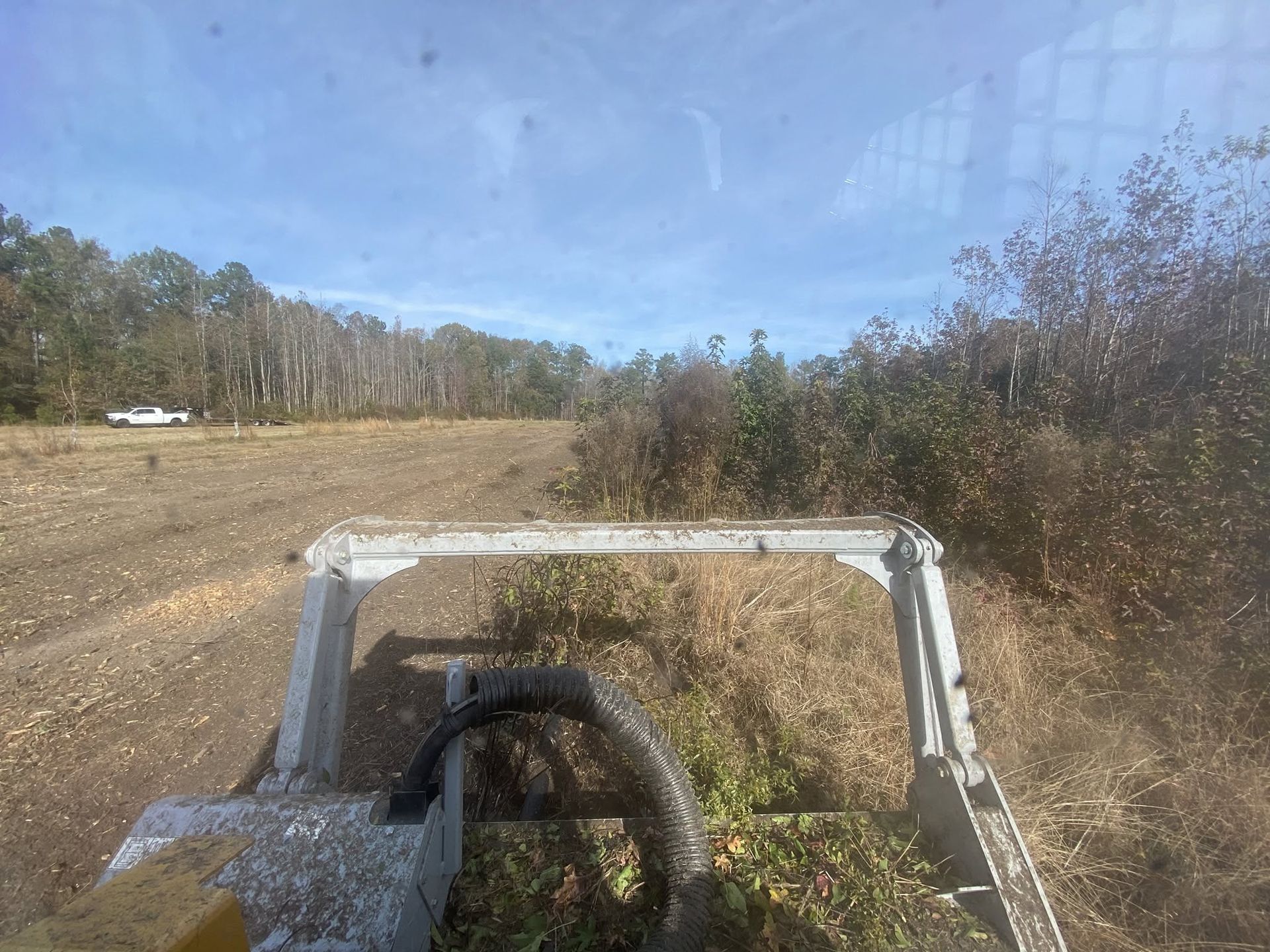
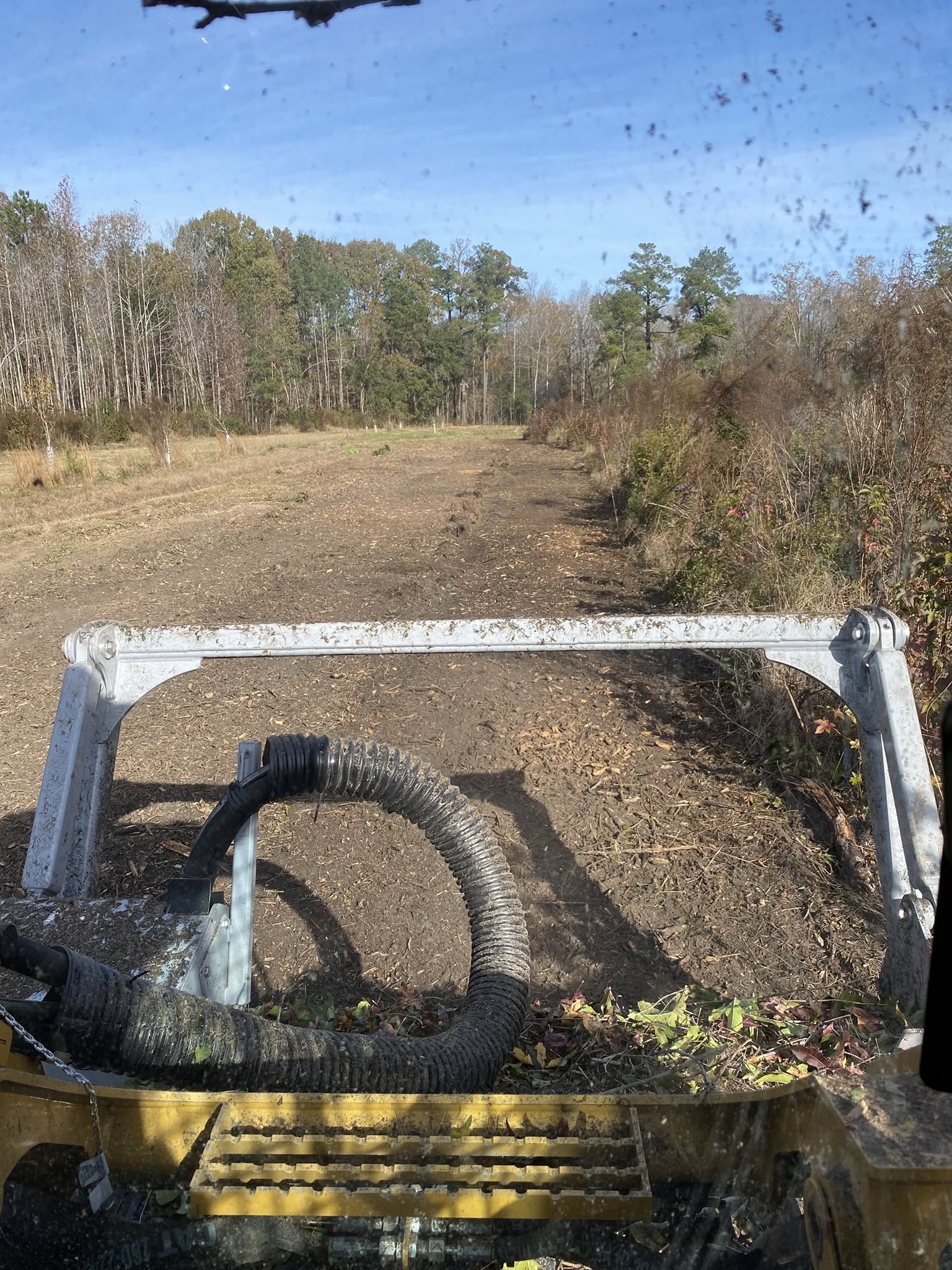
Brush cutting removes the above-ground growth that blocks paths, obscures boundaries, and creates habitats for pests and snakes near buildings and work areas. Equipment cuts vegetation close to ground level, leaving root systems in place but eliminating the height and density that interfere with access. Properties in Charleston often see rapid regrowth of privet, wisteria, honeysuckle, and native shrubs that require seasonal attention to prevent thickets from reforming.
After cutting, sight lines return, access routes stay navigable, and property boundaries become visible again. You'll notice that fence lines are clear, driveways remain defined, and areas around outbuildings no longer harbor dense cover.
The work does not eliminate root systems, so regrowth will occur, but the timeline between maintenance cycles depends on species, rainfall, and how aggressively you want the area controlled.
Ongoing vegetation control reduces the need for heavier equipment and keeps properties functional between larger clearing projects. Properties used for agriculture, hunting, or recreation benefit from scheduled maintenance that prevents overgrowth from reaching the stage where mulching or excavation becomes necessary. Frequency depends on growth rates, property use, and tolerance for regrowth.
Answers to Frequent Service Questions
Vegetation control involves lighter equipment and less site disturbance than clearing or mulching, but the scope and timing vary depending on what you're managing and how the property is used.
How is brush cutting different from land clearing?
Brush cutting focuses on maintaining areas that are already accessible by removing low vegetation and regrowth, while land clearing involves removing trees, stumps, and heavy debris to create new usable ground.
What equipment is used for vegetation control?
Brush cutters, mowers, and lighter attachments handle undergrowth and saplings without the excavation equipment required for larger trees or root removal, allowing faster work with less ground disturbance.
How often does vegetation need cutting in Charleston?
The Lowcountry's climate supports year-round growth, so properties typically need attention once or twice per growing season to prevent brush from reaching heights that require heavier equipment.
What happens to cut vegetation after the work is finished?
Cut material is left on-site to decompose unless hauling or chipping is requested, and the debris typically breaks down within weeks depending on material type and weather conditions.
When should vegetation control be scheduled?
Cutting before late spring and again in late summer controls growth during peak seasons, though timing can shift based on rainfall, property use, and how quickly regrowth appears.
Shepard Woods assesses property size, vegetation type, and maintenance goals to recommend a control approach that keeps your land accessible without unnecessary cost or repeated heavy clearing. Call to discuss your acreage and current vegetation conditions.